Loading...
Serving Glendale, CA and surrounding areas. (747) 609-3922
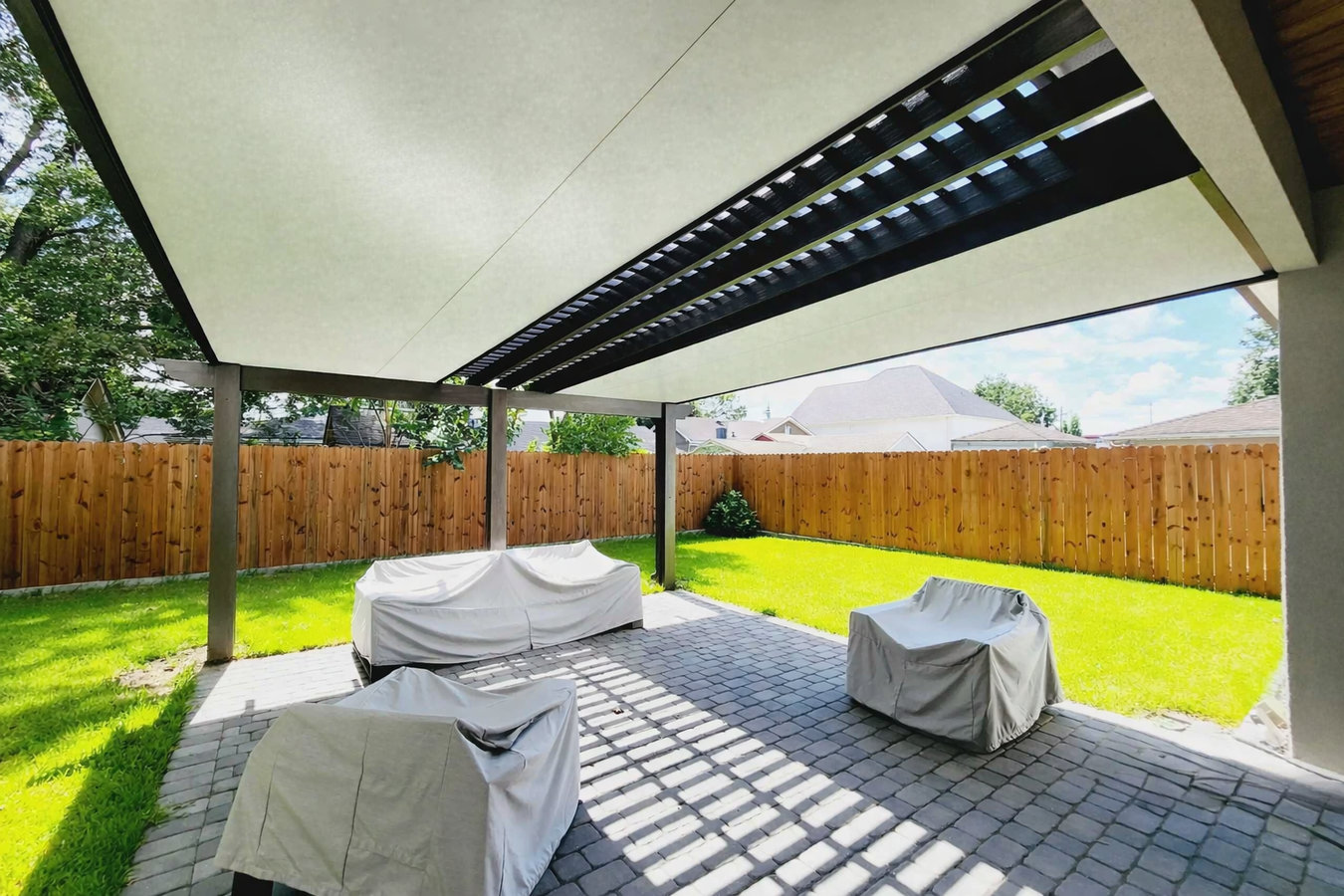
Stop losing your backyard to Glendale's heat. We install permitted patio covers with seismic-rated footings, proper ledger attachment, and materials that hold up in Southern California sun and rain.
Patio cover installation in Glendale, CA means attaching a permanent roof-like structure to your home that shades your outdoor space - most installations take one to two days of physical work once the City of Glendale approves the permit, with total timelines of three to eight weeks from signing depending on permit processing speed.
The most common question homeowners have is whether a patio cover is really that different from a pergola or shade sail. The answer is yes - a properly installed attached cover sits on posts set in concrete footings, ties into your home's structure with a ledger board, and is engineered to the city's load and seismic requirements. It is a permanent structure that becomes part of your home's record, not something you take down at the end of summer. Homeowners who want full weather protection and are thinking further ahead often look at our sunroom design service to understand how a patio cover fits into a longer-term plan for an enclosed outdoor room. Others find that a patio cover is exactly the right stopping point, especially if the goal is shade and a place to mount a ceiling fan rather than a fully enclosed space.
Homeowners who already have a patio cover but want to add walls and windows can continue with our patio enclosures service - the two projects can be planned together from the start so the cover is built to accept an enclosure later, which saves both time and money compared to retrofitting.
If you find yourself avoiding your patio for five months of the year because it is simply too hot to sit outside, a patio cover would change how you live in your home. Glendale's summer heat is intense and sustained - without shade, a south- or west-facing patio can feel like standing in an oven by mid-morning. A solid cover makes the space genuinely comfortable again.
If your patio furniture looks years older than it is, or your outdoor rug or wood decking is bleaching and splitting, that is direct evidence of how much UV exposure your backyard is getting. Glendale's sun is strong enough to degrade most outdoor materials within a season or two without protection. A patio cover shields both you and your belongings from that constant exposure.
If your home faces west or southwest and your back rooms feel noticeably hotter in the afternoon, a patio cover positioned over that door or window can reduce the heat coming in. This is a common issue in Glendale's hillside and valley neighborhoods where homes were built before energy efficiency was a priority. Blocking direct sun before it hits the glass is one of the most effective ways to reduce cooling costs in summer.
In Glendale's competitive real estate market, a permitted, professionally installed patio cover is a visible upgrade that buyers notice immediately. If your backyard currently has an exposed concrete slab with no shade, adding a cover transforms the space into something a buyer can picture themselves using. It is one of the few outdoor improvements that tends to pay back a meaningful portion of its cost at resale.
We install attached and freestanding patio covers in aluminum, wood, vinyl, and insulated solid-roof panel systems. Aluminum is the most popular choice in Glendale because it does not rust, does not need painting, and holds up in direct sun without warping - exactly the conditions your backyard faces from May through October. Wood looks more natural and can be matched to your home's existing trim and stucco, but it requires sealing every few years to handle both the summer UV exposure and Glendale's occasional heavy winter rains. Insulated solid-roof panels are the best option when your primary goal is blocking heat from above - they keep the space under the cover noticeably cooler than open lattice or single-layer aluminum on the hottest days. All covers we install can be wired for ceiling fans and lighting at the time of construction, which is far cleaner and less expensive than adding electrical later. For homeowners thinking ahead toward a fully enclosed space, our sunroom design service helps you plan the patio cover as the first phase of a larger project.
Every patio cover we build in Glendale is permitted through the City of Glendale Building and Safety Division and built to the city's seismic requirements for post footings and ledger board attachment. Homeowners whose patio cover plan eventually leads to a full enclosure can pair this service with our patio enclosures service - we design the cover from the start to accept walls and windows so you are not tearing out and rebuilding when you are ready for the next step. Information on seismic design requirements for Southern California structures is available from the National Association of Home Builders.
Best for homeowners who want a low-maintenance, durable shade structure that connects directly to the house and handles Glendale's sun without rusting or fading.
Best for homeowners who want a natural look that matches older Glendale craftsman and Spanish-style homes, and are willing to maintain it every few years.
Best for homeowners whose primary goal is blocking heat from above, making the shaded space noticeably cooler than an open lattice or single-panel cover on hot Glendale afternoons.
Best for homeowners whose yard layout, roofline, or HOA rules make an attached cover impractical - a freestanding design gives full flexibility in placement.
Glendale's location in the San Fernando Valley foothills creates conditions that affect every outdoor structure project here. Summer temperatures regularly push above 95 degrees, and Glendale sits far enough inland that coastal breezes barely reach most neighborhoods. This means the shade a patio cover provides is not a comfort upgrade - it is often the only reason a backyard is usable during the five warmest months of the year. Homeowners in hillside neighborhoods like Chevy Chase Canyon and the streets near the Verdugo Mountains face an additional consideration: sloped lots and expansive soils that can shift with moisture changes affect how post footings need to be designed and how deep they must go. This is not an issue on flat valley lots, but it is common enough in Glendale that experienced local contractors know to check the terrain before finalizing a design. We serve customers across the area including Burbank and Pasadena, where similar building requirements and older housing conditions apply.
Glendale's older housing stock creates a specific challenge for ledger board attachment - the piece that anchors the cover to your house. Many homes built between the 1920s and 1960s have stucco exteriors and wood framing that requires different hardware and attachment methods than newer construction. A contractor who skips the wall assessment and uses standard lag screws in a stucco wall without locating solid framing behind it is setting you up for a cover that loosens and pulls away over time, especially after an earthquake. We assess your wall structure at the estimate visit and choose the right attachment method before any drilling starts.
When you reach out, we ask a few basic questions about your patio and how you plan to use the space. We schedule an in-person visit - not a phone quote - and show you material samples on-site. We reply within one business day to confirm your appointment.
Once you agree on a design and sign a contract, we submit a permit application to the City of Glendale's Building and Safety Division on your behalf. We handle the paperwork and pay the permit fee - plan for this step to take two to six weeks based on current city processing times.
The crew arrives with materials and typically completes a standard patio cover in one to two days. They anchor posts in concrete footings, attach the structure to your home, and build out the roof framing. Electrical work for fans or lighting follows with a licensed electrician.
A city inspector visits to confirm the cover was built to Glendale's safety standards. We coordinate the inspection - you just need someone home for access. Once it passes, we walk through the finished cover with you and answer any maintenance questions before we leave.
Free in-person estimate. Written quote before you commit. Permit pulled on your behalf.
(747) 609-3922Glendale sits in an active seismic region, and the city's building requirements for patio cover footings reflect that. We set posts in concrete footings at the depth and diameter Glendale requires - not just resting on the surface of an existing slab. When a city inspector signs off on the work, they are verifying those footings were done correctly. That is the difference between a cover you trust and one you worry about after an earthquake.
A significant portion of Glendale's homes were built between the 1920s and 1960s with construction that was not designed with future additions in mind. We assess the wall structure at the estimate visit and choose the right hardware and attachment method before work begins - not after the crew has already started drilling. A correctly attached ledger board is what keeps a patio cover from pulling away from your home over time.
We submit the application to the City of Glendale, handle any plan check revision requests, and coordinate the final city inspection. You do not need to call the building department yourself or track down a permit card. When the project is done, you have a fully documented structure in the city's records - a genuine asset when you sell or refinance.
Many Glendale neighborhoods - particularly in Verdugo Woodlands, Montecito Park, and newer hillside developments - have active HOAs with design review requirements. We ask about your HOA situation at the first conversation and can help you put together the submission package the board typically needs. Getting HOA approval before the city permit application goes in is critical, and we help you keep that sequence right.
All four of these points come back to one idea: a patio cover that holds up the way it should, in the conditions Glendale actually has. The permit, the footings, the ledger, and the HOA process are not paperwork for its own sake - they are the difference between a structure you trust and one that creates problems the next time the ground shakes or a buyer's inspector walks your yard. You can verify any California contractor's license at the California Contractors State License Board.
Professional sunroom design services to plan the layout, materials, and aesthetic of your future covered outdoor room.
Learn MorePatio enclosures add walls and windows to an existing covered structure, turning your patio cover into a fully enclosed room.
Learn MorePermit processing with the City of Glendale takes two to six weeks - reach out now and lock in your project before the busy season.