Loading...
Serving Glendale, CA and surrounding areas. (747) 609-3922
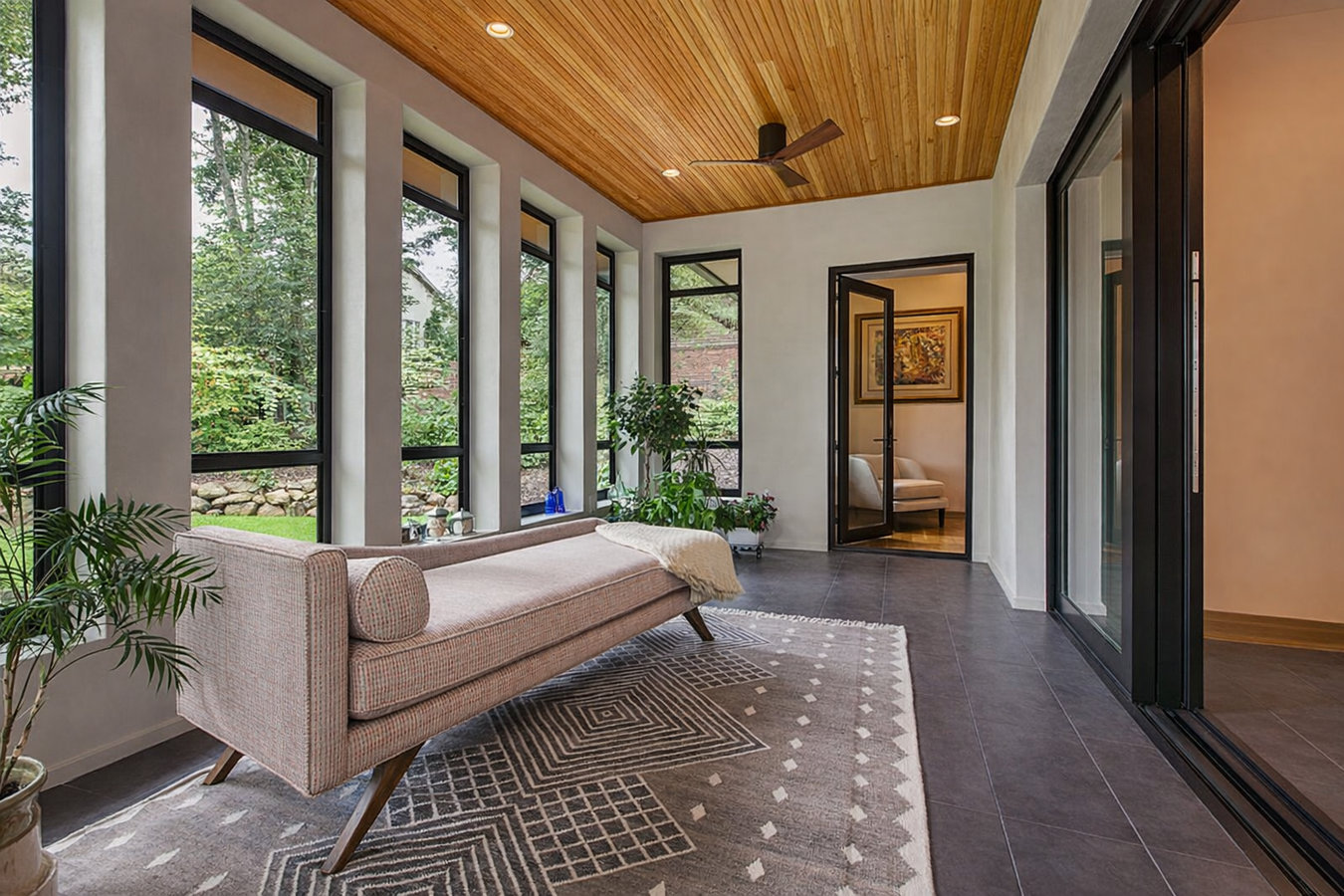
Precision Glendale Sunrooms & Patios brings sunroom additions, patio enclosures, and four season sunrooms to Monrovia homeowners. We have been serving the San Gabriel Valley foothills since 2019, and we understand how the local terrain and older housing stock affect every project.
Monrovia properties - from Craftsman bungalows near Myrtle Avenue to postwar ranch homes in the south end - often have usable yard space that works well for a sunroom addition. Sunroom additions are one of the most practical ways to gain a year-round living space without expanding your footprint beyond the existing property lines.
Monrovia summers reach the mid-90s, and foothills trap heat even more than flat valley neighborhoods. A four season sunroom with insulated glazing and a connected HVAC system keeps the space comfortable through both July heat and January cold snaps, so you actually use it all year.
Many Monrovia ranch homes have covered back patios that are screened in or partially shaded but still fully exposed to afternoon heat and smoke from the Angeles National Forest fire season. Enclosing that patio gives you a weather-tight space that keeps ash and bugs out while still letting in filtered light.
Monrovia enjoys mild winters and spring weather that can stretch well into November. A three season sunroom without full climate control is a comfortable and more affordable option for homeowners who want to extend their outdoor living season without the cost of a fully conditioned addition.
Foothill homes in Monrovia see sharper temperature swings between day and night than properties in the flat valley below. An all season room is insulated and built to handle that variation, making it a practical choice for homeowners who want a dependable extra room rather than a seasonal one.
Monrovia has a wide range of home styles - Craftsman, Spanish Colonial Revival, ranch - and a single off-the-shelf sunroom design rarely looks right on all of them. A custom sunroom lets you match the roofline, trim, and materials to your existing home so the addition looks like it was always there.
Monrovia was incorporated in 1887, and a large portion of its housing stock dates to the first half of the 20th century. Craftsman bungalows built between 1905 and 1930 and Spanish Colonial Revival homes from the 1920s and 1940s are common throughout the city, particularly near Myrtle Avenue and the historic core. These homes have original wood framing, older rooflines, and non-standard layouts that require careful site assessment before any sunroom project begins. A contractor unfamiliar with this housing stock can underestimate the foundation or framing work involved, which leads to cost overruns and structural problems down the line.
The city's position at the foot of the San Gabriel Mountains creates two specific challenges for outdoor enclosures. First, sloped lots north of Foothill Boulevard require more site preparation and sometimes retaining wall work before a slab can be poured. Second, the angular sun exposure and radiant heat from the hillside terrain means south- and west-facing sunrooms accumulate heat faster than in flat neighborhoods. Getting the glass specification right - low-E coatings, proper shading coefficients - is critical for making a Monrovia sunroom comfortable without running the air conditioning all day.
Our crew works throughout Monrovia regularly, and we pull permits through the Monrovia Community Development Department for sunroom and patio enclosure projects across the city. We know which neighborhoods have the older Craftsman-era homes and which southern streets are dominated by postwar ranch houses on slab foundations - and those differences affect how we approach framing, footings, and finish work.
Monrovia Canyon Park sits at the northern edge of the city, and the homes just below it see the most dramatic temperature swings and the highest wildfire smoke exposure during fire season. Myrtle Avenue runs through the heart of town and is one of the landmarks our crews use to orient themselves across neighborhoods. We serve properties from the flat streets near Foothill Boulevard all the way up to the steeper lots that back up to the hills.
We also serve nearby Temple City and Arcadia, which border Monrovia to the west and south. If you live near any of those boundaries, we know the neighborhood and can be on-site quickly.
Reach us by phone or the contact form and we will respond within one business day. We ask a few basic questions about your property and what you are looking to add so we can make the most of the in-person visit.
We visit your Monrovia property, assess the foundation, roofline, and lot conditions, and walk through the options with you. The estimate is itemized and free - no pressure and no obligation to move forward.
Once you approve the plan, we submit permit applications to the City of Monrovia and schedule the build. You do not need to track the permit process - we handle it and keep you updated on timing.
Our crew builds the structure, we pass required city inspections, and we do a final walkthrough with you before we consider the job done. Most Monrovia sunroom additions are complete within 3 to 6 weeks of permit approval.
We serve Monrovia and the surrounding San Gabriel Valley foothills. Call us or fill out the form and we will get back to you within one business day - no pressure, no obligation.
(747) 609-3922Monrovia is a city of about 37,000 in the San Gabriel Valley, roughly 20 miles east of downtown Los Angeles, with its northern edge running directly into the Angeles National Forest. The city was incorporated in 1887 and still carries that history in its housing stock. The neighborhoods near Myrtle Avenue - home to the well-known Friday Night Family Street Fair - are dense with Craftsman bungalows and Spanish Colonial Revival homes that date to the early 1900s. Further south, the city transitions to postwar ranch houses on flatter lots that run to the Arcadia and Temple City borders.
Monrovia Canyon Park sits at the top of the city and draws hikers from across the region. The terrain creates a noticeable difference between the city's northern and southern halves - sloped, hillside lots with terraced yards to the north and flat slab-foundation homes to the south. That variation in lot type and home age is why local experience matters when you are planning any kind of outdoor addition or enclosure. Neighboring Arcadia and Pasadena share similar foothill characteristics and are also part of our regular service area.
Whether your home is near Monrovia Canyon Park or down by Foothill Boulevard, we are ready to visit your property, answer your questions, and put together a free estimate. The sooner you call, the sooner you have a sunroom.