Loading...
Serving Glendale, CA and surrounding areas. (747) 609-3922
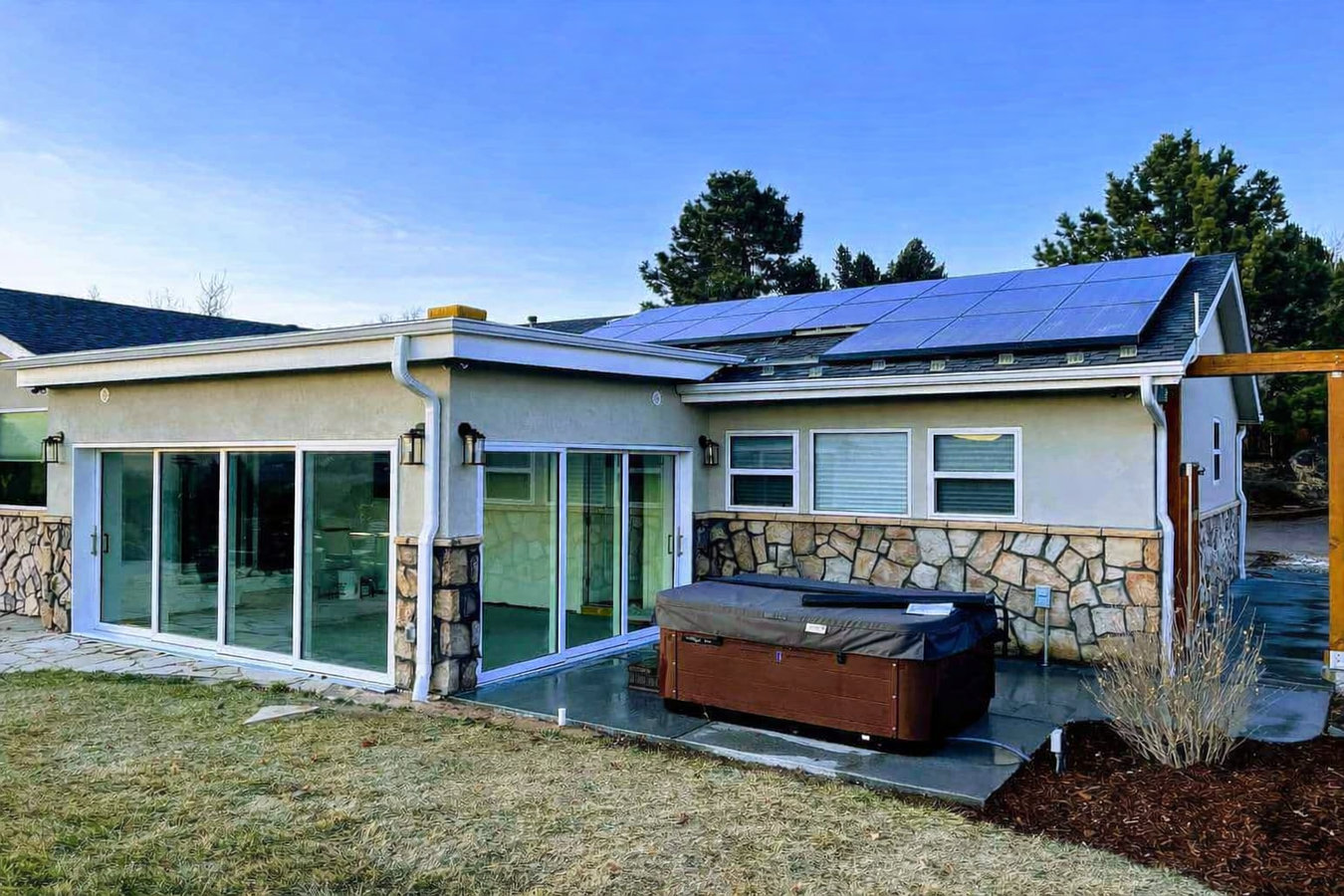
Precision Glendale Sunrooms & Patios builds sunrooms, patio enclosures, and four season rooms for Los Angeles homeowners - fully permitted work on Craftsman bungalows, stucco ranch homes, and hillside properties, with one business day response and free on-site estimates.
Los Angeles has one of the most varied housing stocks in the country - 1920s Craftsman bungalows in Highland Park, stucco ranch homes in the San Fernando Valley, and hillside properties in Silver Lake and Laurel Canyon all require different approaches to building a new room. Our sunroom construction process starts with assessing the existing structure before any plans are finalized - because what works on a flat-lot ranch does not necessarily work on a hillside with a cantilevered deck.
Moving to get more space in Los Angeles is one of the most expensive decisions a homeowner can make. A sunroom addition creates new usable square footage connected to the existing house without changing interior walls or displacing your household. In LA's year-round sunny climate, a properly designed sunroom addition functions as an everyday room, not just a fair-weather bonus.
Los Angeles properties rarely come with standard lot shapes or standard rooflines - hillside cuts, irregular lot boundaries, and homes with multiple roof pitches mean prefabricated sunroom kits frequently don't fit cleanly. Custom design lets us work with your actual site conditions rather than trying to force a standard plan onto a property that wasn't designed with one in mind.
Many mid-century LA homes have covered back patios that become uncomfortable in summer heat or during winter rains. A patio enclosure adds walls, glass panels, or screens to the existing overhead structure, giving you a protected outdoor-adjacent space without the cost of a full new room built on a fresh foundation.
LA's reputation for year-round mild weather doesn't mean a sunroom can skip insulation and climate control. Inland neighborhoods - particularly in the San Fernando Valley - regularly see temperatures above 95 degrees F, and a poorly glazed room becomes unusable for months. A four season sunroom with low-e glass and proper ventilation works in LA's real climate, not just its postcard version.
Los Angeles has a large number of homes with existing sunrooms or screen rooms built in the 1970s and 1980s - many with single-pane glass, aluminum frames, and no insulation. These rooms typically go unused because they are too hot in summer and too cold on winter nights. Remodeling replaces the glass and updates the frame so the room actually gets used year-round.
Los Angeles is a city of extremes when it comes to residential construction. The housing stock ranges from 1910s Craftsman bungalows with original wood framing to 1960s ranch homes with flat roofs and concrete slab foundations to contemporary hillside builds with steel frame and cantilever construction. A sunroom contractor working in LA needs to know how to connect a new room to all of these different structure types - the attachment detail, the weatherproofing at the connection, and the foundation approach differ significantly depending on when and how the home was built. Getting this wrong creates water intrusion, structural movement, and code violations.
Seismic risk adds a requirement that most other markets don't face. Los Angeles sits near multiple active fault lines, and current building codes require any structural addition - including sunrooms - to meet seismic design standards. This is not optional, and it affects both the structural design and the permit review process. The city also has a large number of fire hazard zone properties in hillside neighborhoods, where materials requirements differ from flatland construction. Homeowners in those areas should confirm their property's fire hazard zone designation with the Los Angeles Department of Building and Safety before beginning any exterior addition.
Our crew works throughout Los Angeles regularly, and we understand the local conditions that affect sunroom contractor work here. We submit permits through the Los Angeles Department of Building and Safety and know the difference between a straightforward residential addition review and a project that will require extra documentation - hillside properties, properties in designated fire hazard zones, and homes near active fault traces all trigger additional review requirements. We factor that into every schedule before work begins.
Los Angeles is a city where the neighborhood determines almost everything about a job. The Craftsman bungalow streets of Highland Park and Glassell Park are close together and have tight lot coverage, while the mid-century ranches in Reseda and Canoga Park sit on wider lots with more room to work. Hillside neighborhoods like Silver Lake, Laurel Canyon, and Beachwood Canyon have retaining walls, steep driveways, and grade conditions that add time and cost to any exterior project. Near Griffith Park or along the Glendale border, the terrain shifts again. We know these neighborhoods from working in them, not just from looking at a map.
We serve communities throughout the northeast LA and San Gabriel Valley region. Homeowners in Burbank to the north and Alhambra to the east will find the same knowledge of local permit requirements and housing conditions that we bring to every Los Angeles project.
Call or submit the contact form and we respond within one business day. We schedule a site visit at your convenience and come prepared to look at your property's actual conditions - not just take photos for a quote template.
We examine the existing slab or foundation, the roofline and wall connection point, and any slope, drainage, or fire zone factors specific to your lot. You receive a written estimate covering permits, site prep, materials, labor, and cleanup - no surprises when the invoice comes.
We prepare and submit construction documents to the Los Angeles Department of Building and Safety. LADBS permit review timelines vary - typically four to eight weeks - and we keep you updated throughout so the construction schedule is ready to activate the moment the permit is issued.
We handle framing, glazing, electrical rough-in, and all finish work. City inspections are scheduled at the required stages. When the room is finished, we walk through it with you to confirm every detail is right before we consider the project complete.
We work on all kinds of LA properties - Craftsman bungalows, stucco ranch homes, and hillside houses. One business day response, free on-site estimate, and no pressure to sign anything on the spot.
(747) 609-3922Los Angeles is the second-largest city in the United States, with about 3.9 million residents spread across more than 470 square miles. It is made up of dozens of distinct neighborhoods - from the beach communities of Venice and Pacific Palisades to the hillside streets of Silver Lake and the wide flat grid of the San Fernando Valley. Griffith Park and the Griffith Observatory sit near the city's geographic center, and the Hollywood Sign on Mount Lee is visible from much of the eastern part of the city. The diversity of the city's geography - from beachfront to hilltop to valley floor - means there is no single "typical" LA home.
A large share of the city's housing was built before 1980. Older neighborhoods like Highland Park, Echo Park, and West Adams have Craftsman bungalows and Spanish Colonial Revival homes from the 1910s through 1930s. The San Fernando Valley was developed mostly in the 1950s and 1960s with single-story ranch tract homes on flat lots. Hillside neighborhoods built from the 1930s through 1960s have some of the most complex site conditions in the region. Los Angeles is adjacent to Burbank to the north and Alhambra to the east, communities where we also maintain an active workload.
Whether your home is a 1920s bungalow in Highland Park, a ranch house in the Valley, or a hillside property in Silver Lake - we know how to build a sunroom that fits your home and your lot. Call today for a free estimate.